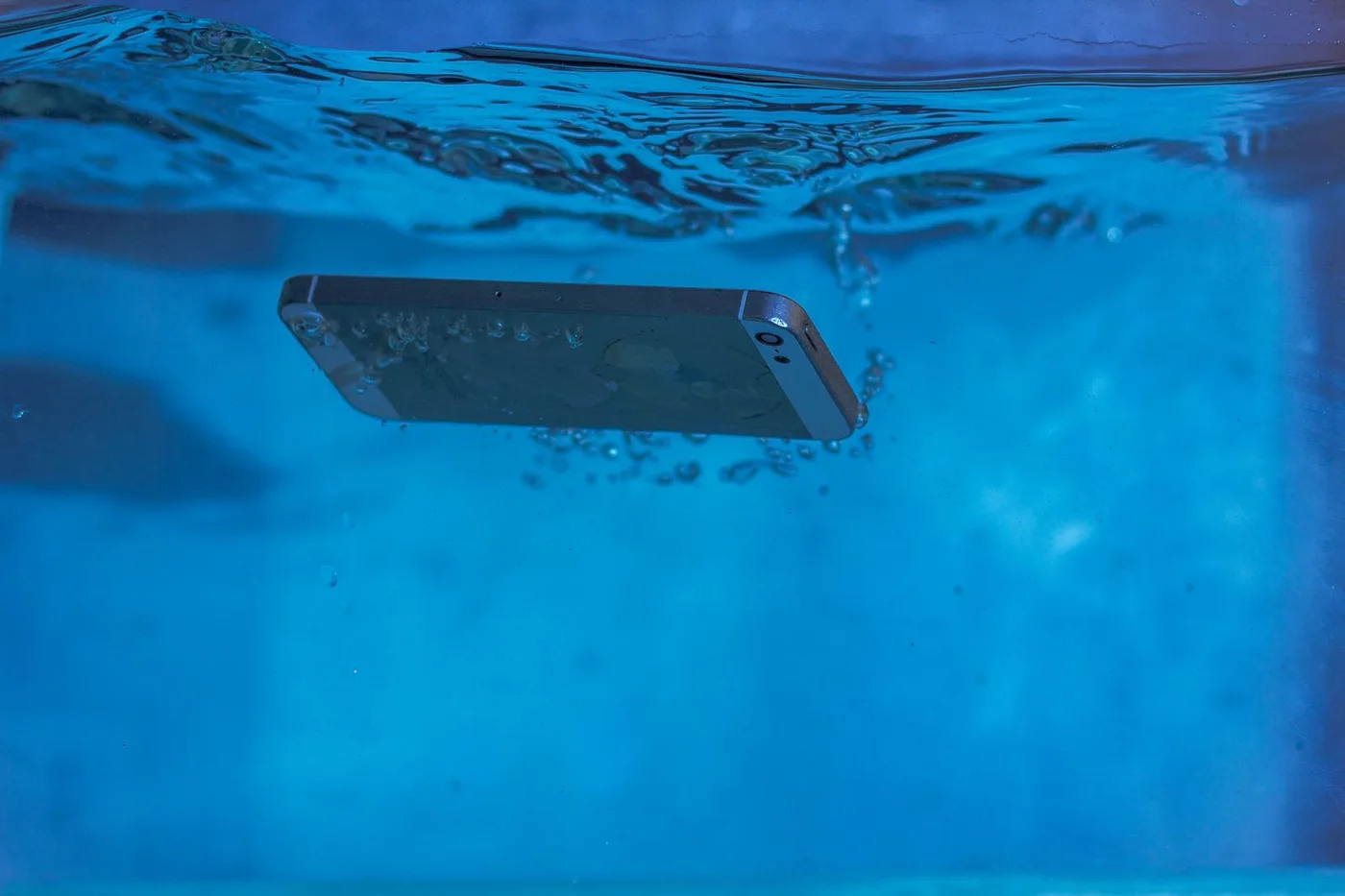
Water Damage Myths: Why Rice Actually Ruins Your Phone
Stop reaching for the rice bag. The real chemistry behind liquid damage and the only 3 steps you should take when your device goes for a swim.
The Greatest Tech Myth of the 21st Century
You drop your phone in a puddle on South Street, or worse, the toilet. Panic sets in. You quickly grab a towel, dry the outside, and then rush to the kitchen to submerge the phone in a bowl of uncooked rice. You leave it there for 24 hours, praying to the tech gods that the rice will magically extract the water.
We are here to tell you, as professional microsoldering technicians: Stop doing this immediately.
"Putting a wet phone in rice does exactly as much as putting it in an empty bowl, except the rice actively destroys your charging port."
Dealing with this yourself?
Get a free quote in minutes.
Why Rice is Your Phone's Worst Enemy
The "rice trick" is an urban legend that has destroyed more phones than it has saved. Here is the actual science of why it's a terrible idea:
- It Doesn't Absorb Much: Uncooked rice is actually a very poor desiccant in an open-air environment. It absorbs moisture incredibly slowly—so slowly that the water inside your phone has plenty of time to cause catastrophic corrosion before the rice even begins to act. Leaving it on a desk under a fan is actually more effective.
- The Starch Problem: Rice is covered in fine, microscopic starch dust. When you put a wet phone into a bag of rice, that dust enters the charging port, speaker grills, and headphone jacks. When the starch mixes with the water inside the phone, it creates a thick, glue-like paste that hardens over the motherboard components and permanently clogs your speakers.
- False Hope (The Killer): The biggest danger of rice is psychological. It gives you a false sense of security. Because the outside feels dry after 24 hours, you assume the inside is dry, and you try to turn the phone on or plug it into a charger. Introducing electricity to a wet logic board causes an immediate, massive short circuit, permanently killing the device.
The Chemistry of Corrosion
Water itself isn't actually the main problem—pure H2O is actually an insulator. The problem is the minerals in the water. When tap water, pool water, or Philadelphia rain dries inside your phone, the water evaporates but leaves behind highly conductive, crusty mineral deposits (salts, calcium, chlorine).
These minerals bridge the microscopic gaps between components on the logic board. The moment the battery supplies power, electricity travels across these mineral bridges where it shouldn't go, causing components to literally burn up in milliseconds.
The Only 3 Steps You Should Take in Philadelphia
If your phone goes for a swim, ignore the pantry and follow these steps to maximize its chances of survival:
- Turn it OFF immediately. Do not try to see if the screen still works. Do not plug it in. Cut the power immediately to prevent short circuits.
- Dry the exterior and remove the SIM card. Leave the SIM tray out to allow a small pathway for air to enter and moisture to vent.
- Bring it to AV Phone Repairs IMMEDIATELY. Time is of the essence. Our Philadelphia repair shop will open the phone, disconnect the battery, and place the entire logic board in a specialized ultrasonic cleaner filled with chemical solvents that neutralize the minerals and displace the water safely.
Need expert help?
Our Philadelphia team is ready to inspect and repair your device today with a full warranty.