The True Cost of Cheap Screen Replacements in Philadelphia
Why that $40 mall repair could end up costing you your Face ID, True Tone, and eventually the entire phone.
The Allure of the $40 Fix in Philly
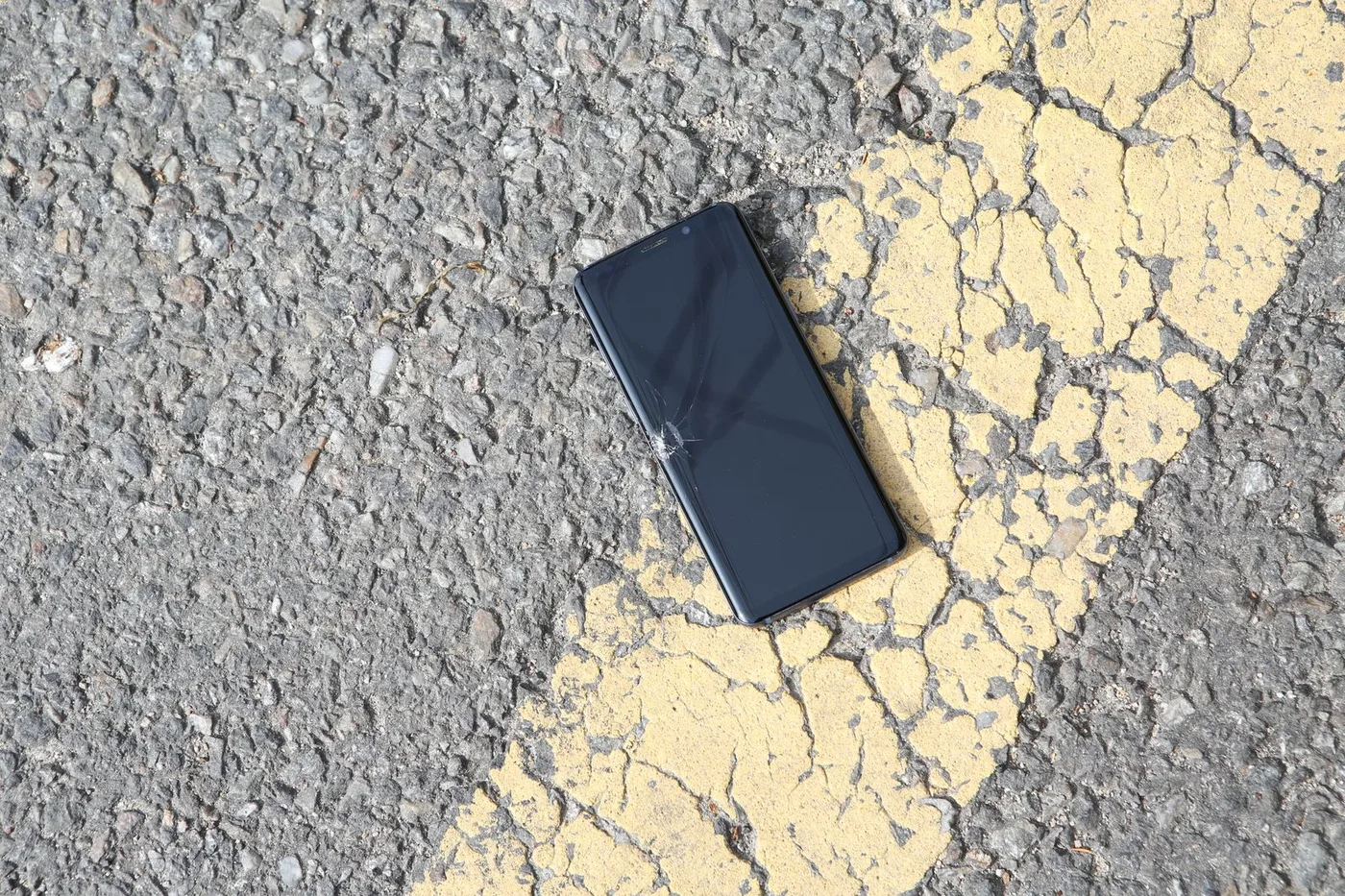
We've all been there. You drop your phone while walking down Broad Street, the glass shatters, and suddenly you're scrolling through Yelp looking for the cheapest repair shop in Philadelphia. A kiosk at the mall offers to fix it for $40 in 15 minutes. It sounds like a steal, right? Unfortunately, in the world of electronics repair, you almost always get exactly what you pay for.
"The most expensive repair you will ever pay for is the one you have to do twice."
Dealing with this yourself?
Get a free quote in minutes.
What Are You Actually Buying?
When a repair shop offers a price that seems too good to be true, they are cutting corners in two major areas: parts quality and labor expertise. Manufacturers do not sell brand-new original screens for $20, which means the screen going into your phone is an ultra-cheap, third-party knockoff.
1. Aftermarket LCDs instead of OLEDs
Modern premium phones (like the iPhone 12 and newer) use OLED panels. OLED technology offers deep blacks, vibrant colors, and extreme battery efficiency because each pixel illuminates itself. Cheap repair shops substitute these expensive OLED panels with basic LCDs.
- Battery Drain: LCDs require a massive backlight to run at all times, draining your battery up to 30% faster.
- Thick Bezels: LCDs are physically thicker than OLEDs, causing the screen to protrude slightly from the phone's frame.
- Washed-out Colors: Say goodbye to true blacks and vibrant HDR video playback.
2. Fragile, Non-Tempered Glass
OEM-grade glass is chemically hardened (think Gorilla Glass or Apple's Ceramic Shield). Cheap aftermarket screens use standard, brittle glass. It might look fine on day one, but it shatters from the absolute slightest impact. A small bump on a Philly cobblestone street that an original screen would survive will instantly crack a cheap aftermarket screen.
3. Loss of Critical Features
Apple heavily pairs hardware components to the logic board for security and quality control. Without the proper EEPROM programming tools (which cheap shops refuse to invest in), you will permanently lose True Tone functionality (the feature that adjusts screen temperature to ambient lighting).
Worse, a rushed technician can easily tear the delicate flex cables near the top bezel, which permanently breaks your Face ID sensor and the earpiece speaker.
The Hidden Long-Term Costs
A poorly installed screen doesn't just look bad; it compromises the structural integrity of your entire device. Cheap adhesives wear out quickly in the summer heat, leading to screen lifting.
Once a screen lifts, the water-resistance seal is broken. Moisture, humidity, and dust can easily enter the device, short-circuiting the logic board. At AV Phone Repairs right here in Philadelphia, we see this daily. Customers come in with phones completely dead from water damage—sometimes just from the humidity in their pocket—all because a previous "cheap" screen replacement left a microscopic gap.
Ultimately, that $40 savings ended up costing them a $400 motherboard data recovery service, or a completely new phone.
Do It Right The First Time
Investing in a premium repair means getting an OEM-grade OLED or Soft-OLED panel, proper EEPROM programming to retain True Tone, and a factory-grade water-resistance seal replacement. Always ask your technician about the origin of their parts, if they use original adhesive seals, and what warranty they offer. As Philly's top-rated repair center, we proudly stand behind our work with a full warranty.
Need expert help?
Our Philadelphia team is ready to inspect and repair your device today with a full warranty.